

Scott MacKay
A push to “reconnect and recover” from Covid impacts is being championed by support group Connexu.
Connexu works with adults who have intellectual, physical, or sensory disabilities and people living with neurological conditions.
Reconnecting disabled people within the community is the mission of a new project created by Connexu which has won $13,000 funding from Waipā District Council’s Waipā Recovery Fund.
The organisation has also won funding from Te Whatu Ora – Health New Zealand, to create and fill the role of a Covid response assistant responsible for creating care packages for disabled individuals and those who support them.
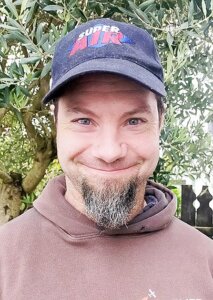
Scott MacKay has been appointed to the position.
The Hauora Project will partner with business and charitable organisations to provide whole of life education to better support the Waipā disabled community to reconnect, and enable them to key skills should there be periods of isolation in the future, Connexu Group Manager Organisational, Wellbeing and Quality Laura Etz says.
“It is time for us to reconnect and recover in an educational manner from the impacts of Covid-19 and the effect that it has had on the disabled people in our community.
“This funding from the District Council will enable us to run the Hauora Project from the beginning of 2023 for any disabled person in our community, as well as utilise as many community facilities as possible to ensure that connection goes as far as possible.”
The Waipā Recovery Fund supports projects, programmes, activities and services provided by not-for-profit community groups and businesses to help communities recover from the impacts of Covid.
Events will carry just a $2 entry fee.
“Through partnership with local business, we see this project having a positive effect in disabled people recovering socially following Covid-19, as well as having a positive impact for providers and business within the Waipā district,” Etz said.
The project provides several workshops in areas which support the disabled community to develop safety frameworks and social networks which support whole-person wellbeing.
Locations such as community halls, the Te Awamutu Events Centre and local businesses are all integral venues for the project.
Educational events will be run every month for a year based on life skills and well-being, while enabling individuals to meet people.
Topics will include fire and home security safety, social network and cyber safety, sexual and personal safety, animal ownership; gardening lessons, environmental safety and winter wellbeing.