

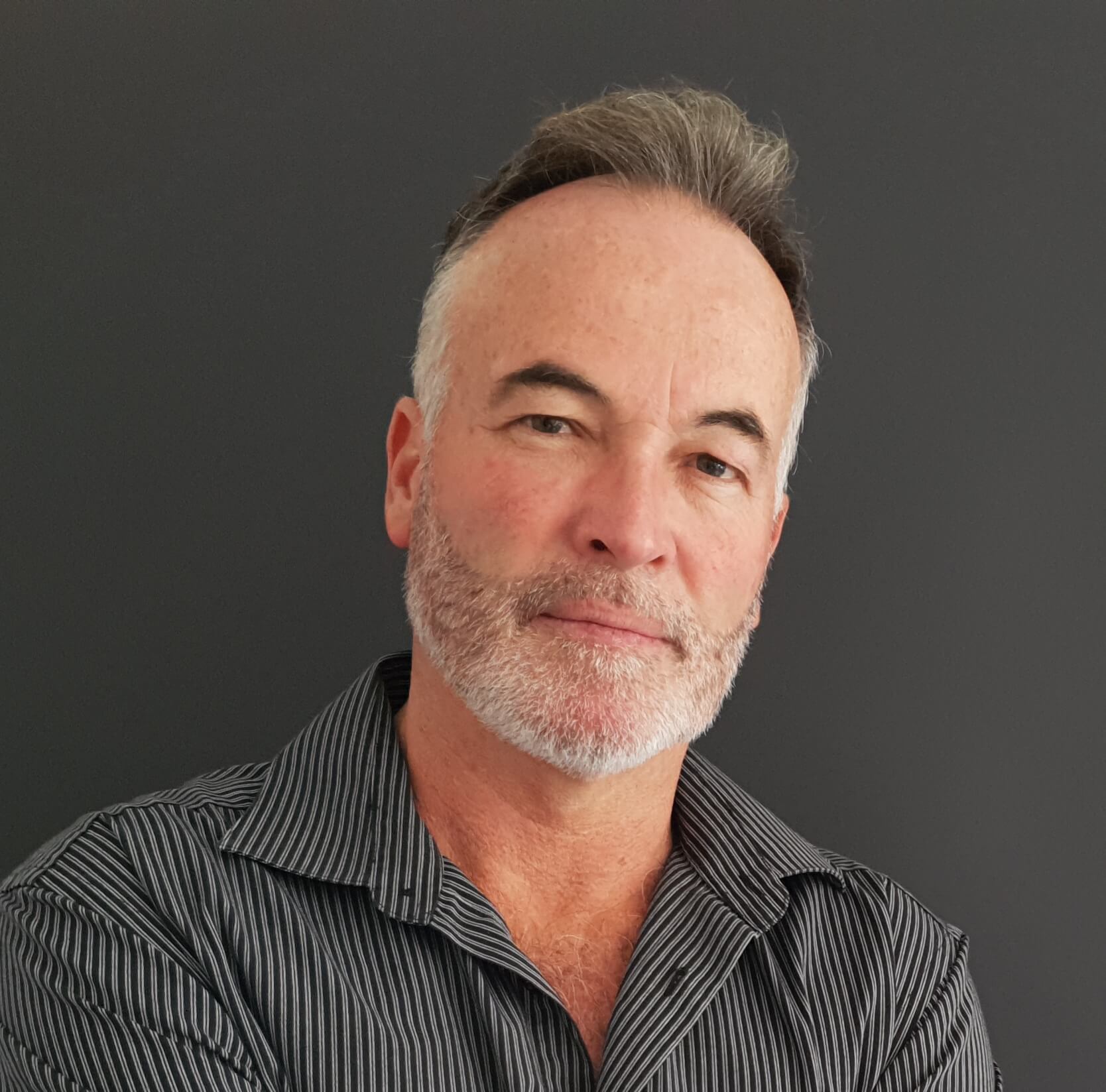
Clyde Graf
I was first elected to Waikato Regional Council in 2013, as the representative for the Thames-Coromandel Constituency. Following a six-year hiatus, I was re-elected in 2022 as one of the two representatives for the Waipā/King Country Constituency.
How things have changed in those six, short years.
For example, there was no Climate Action Committee when I left in 2016, and co-governance was a discussion point, not policy, as it is today. The words hate-speech and misinformation were unheard of, mandates were man dates, and lockdowns were for prisons.
Fast forward to 2022. Over-sensitivity toward opinion, contagion, gender, and a degree in temperature change has left many folk unable to think for themselves. Not surprisingly, bureaucrats, politicians and health practitioners have filled that void, now managing our lives, opinions, and health. If that’s not bad enough, the government directives enforced during the Covid period were like being on the wrong side of a Stanley Milgram experiment – with compliant friends and colleagues unwittingly used as the state’s enforcement practitioners.
It’s not only our lives that have undergone recent, substantial change. Bureaucracy-backed agendas like co-governance, climate change, and Predator Free 2050 have slow-crept their way into a conglomerate of policies. Block by block, cemented into place with the moral mortar of left-leaning politicians, an unbreakable wall of legislation has now been constructed. Throughout this insidious process, the public has been largely unaware of just how far advanced it is.
The 2022 local body election was a welcome distraction.
 During the election campaign, I stated that the public-excluded council workshops and closed-door discussions were unacceptable. In August last year, Chief Ombudsman Peter Boshier launched an investigation into local governance meeting processes and among other things stated that “local bodies are not allowed to exclude the public from meetings so they can hold free and frank discussions behind closed doors”.
In recent times, most councils have installed video cameras within their chambers, enabling meetings and workshops to be recorded and streamed live so that the public has access to political discourse and presentations as they happen.
However, of all the councils reviewed, Waikato Regional Council had 58 closed-door workshops and meetings in the 2021-2022 year alone. In contrast, Hamilton City Council has had open, publicly accessible workshops since 2016.
Workshops are conducted by councils to discuss pending issues, introduce supporting information about those issues, and to provide presentations by experts and advocates. However, in some cases, the information, experts, and presentations are biased, and do not include or allow balanced counter information. The process of providing single streams of information can result in politically predetermined outcomes.
I say it’s time to open these workshops and presentations to the public. We need to ensure transparency and enable community members to be better informed about issues that are important to them.
Ratepayers should be able to see if their representatives are politically consistent when behind closed doors, and they should also be able to understand how legislation is created before it is set in stone.