


The News has reported in recent weeks on the growth of kiwifruit orchards in Waipā – and how their arrival has in some cases defied bylaws and left neighbours crying foul. In response to our editorial calling on the district council to look into the issue, mayor Susan O’Regan provides The News readers with this response.

Susan O’Regan
There’s been discussion recently about the emergence of kiwifruit orchards in our district. Some people are concerned they are changing the feel of Waipā, in particular impacting the views of some rural neighbours.
I can’t comment about specific properties while regulatory or legal processes are underway. That would be irresponsible and unfair. But I can make some broad comment.
Kiwifruit operations in Waipā are only being undertaken in rural zones. That is what rural zones are for… to protect our valuable rural land for productive use, largely for farming and horticulture.
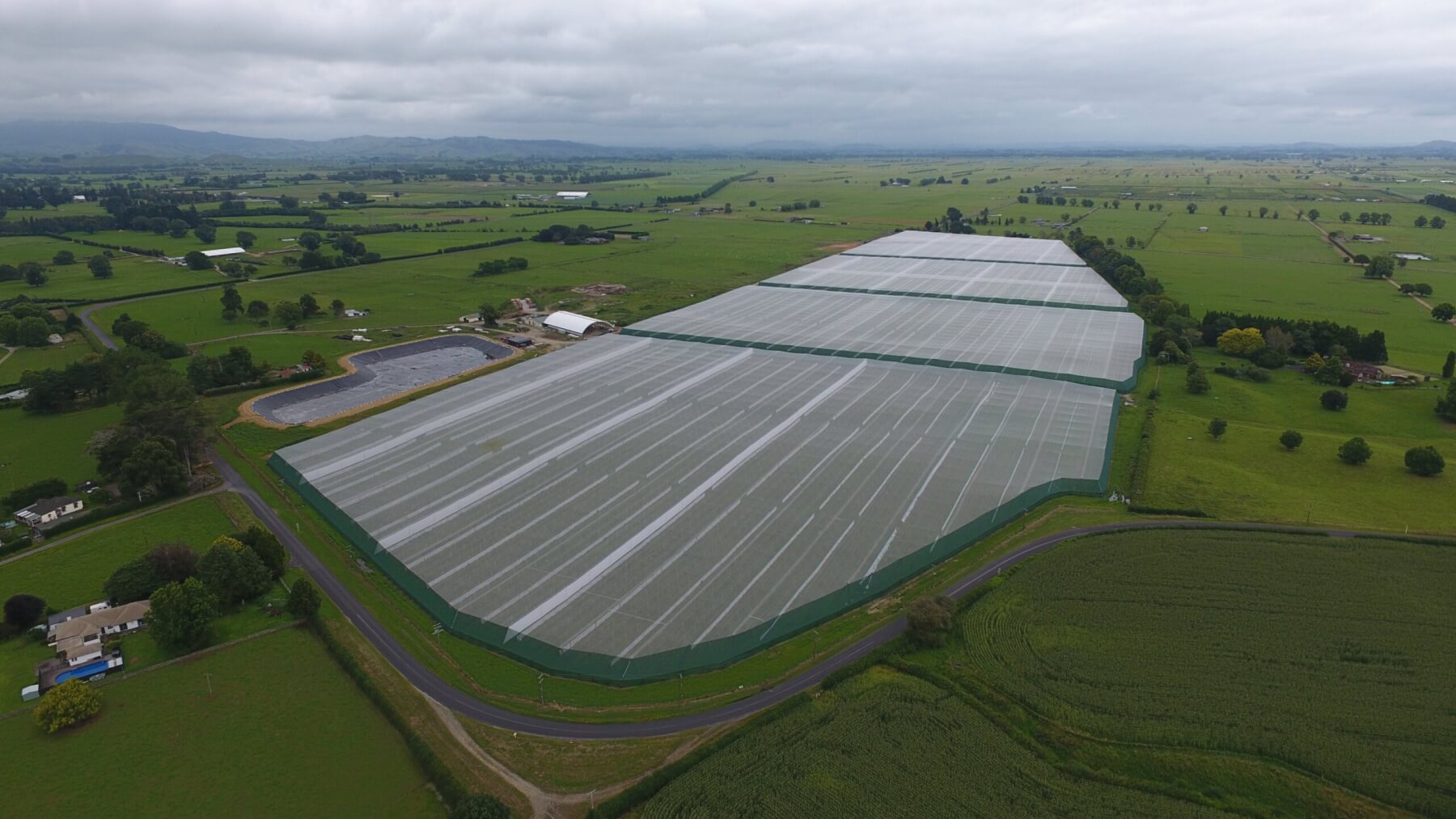
Kiwifruit growing is allowed in rural zones as of right. Growers don’t need a resource consent to grow kiwifruit or a resource consent to erect kiwifruit shelters. Shade cloths and supporting poles don’t require a resource consent, unless they exceed site coverage rules or are too close to boundaries.
Nor is council turning a blind eye to activities being undertaken without the required resource consents, as has been suggested. In the last year, council staff have responded to multiple concerns from immediate neighbours of two kiwifruit growers, making more than 20 site visits and insisting on changes.
Councillors absolutely do expect staff to respond to legitimate concerns as soon as staff are aware of them. Councils simply do not have the enforcement resources or extensive enforcement powers some people assume we do. If staff find something of concern, they must follow proper legal processes. That is exactly what council has been doing.
‘…just because kiwifruit growing is allowed in our rural zones, it is not a free-for-all’
It is also important to stress that just because kiwifruit growing is allowed in our rural zones, it is not a free-for-all. Individuals absolutely have a responsibility to be clear on what our rules are. The onus on abiding by District Plan rules rests squarely with the individuals undertaking the activity.
As a farmer myself who seeks to follow the rules and do what’s right, it’s hard to have sympathy for those who have not done the ground work or worse, have chosen to be ignorant or ill-informed.
Similarly, those people who choose to live in rural zones must surely be aware that rural activities are highly likely to occur nearby, possibly right next door. And now, here in Waipā, that includes kiwifruit growing. It could just as easily be dairy farming, pig farming or any number of rural activities.
Change is not easy and not always welcomed. Waipā was once covered by wheat fields and there was much angst when that activity was gradually replaced by dairying. Farming methods – and farms – are constantly changing. Crops, including trees, are harvested. Rural buildings and infrastructure appear, including screening such as shade or hail cloth. Farming machinery may operate at all hours, and on weekends. Views change, not just in rural areas but in suburban settings.
As our district changes, all of us, including council, will need to adapt. Waipā is a dynamic and growing district, making an important contribution to the regional and national economy.
If, as part of a wider debate about land use, we find parts of our District Plan are no longer fit-for-purpose, that is something we should look at and is a discussion we should all welcome.