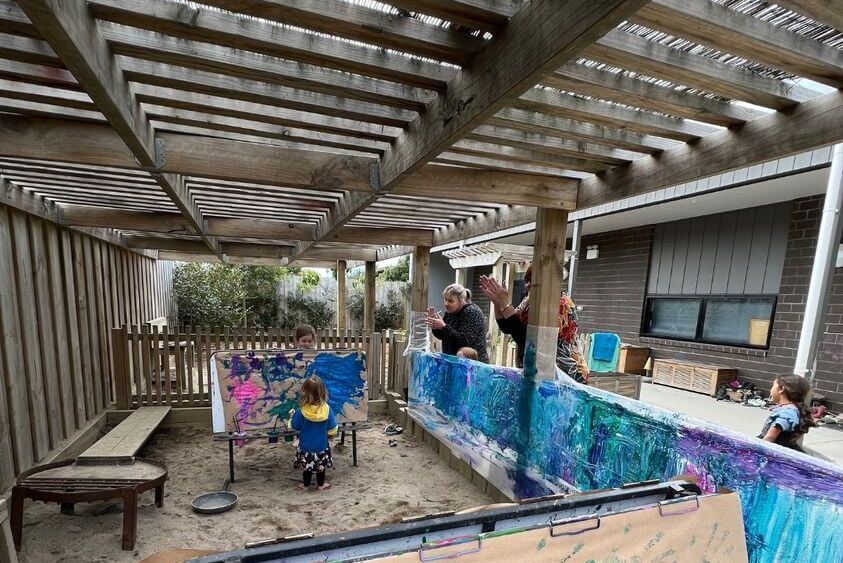


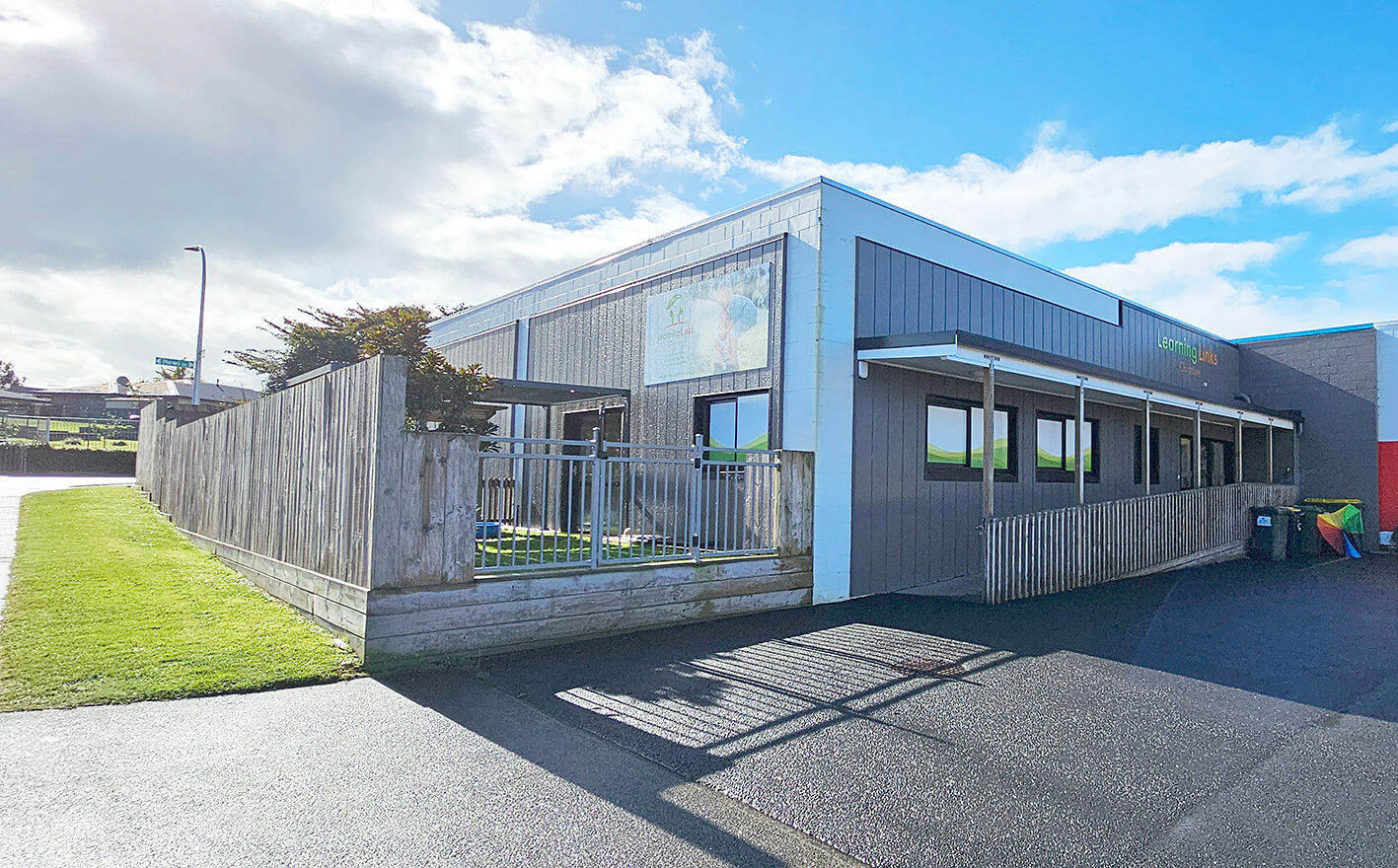
Learning Links Childcare Centre in Te Awamutu participated in a pilot community waste minimisation programme which resulted in 1244 fewer full nappies going into landfill.
Given a full nappy can weigh anything between 1-2kgs, that was a lot of waste avoided, Waipā waste minimisation advisor Sally Fraser told the council’s Service Delivery committee this week.
The Eco Nappy Services project – co-funded by Hamilton City Council and Waipā – sees clean, laundered cloth nappies provided to early childhood centres.

Waste minimisation officer, Sally Fraser sharing tips and ideas at Waipā District Council’s 2020 Plastic Free July pop up stand.
This removes the time, energy and space burden from centres to do the washing and drying of cloth nappies themselves.
Learning Links was the Waipā pilot centre which received funding from the Waste Minimisation Community Fund.
Joining forces with Hamilton meant accessing the $50,000 funding pool allowed for more cross boundary projects.
Sixteen applications totalling $108,810 were received. The Waipā ones were diverse and targeted a cross section of the community and waste streams.
One proposal came from a community social enterprise, which has diverted 4833 tonnes of landfill across New Zealand. The enterprise wants to run a feasibility study for a commercial waste resource recovery centre in Waipā, said Fraser.
“Another group is interested in designing lesson plans for the high school technology curriculum, which would be used alongside recycled smartphones.”
Plus, there were several applications to handle garden and food waste in schools.
The funding for Hamilton and Waipā early childhood centre trials secured the bulk order of cloth nappies and subsidised the per child, per day cost.
Because of the success at Learning Links in Rewi Street, four more centres/kohanga could trial the laundered cloth nappy service in the hope they will continue with the service and choose reusable nappies over single use ones.
Meanwhile elsewhere in Fraser’s report, she said see through wheelie bins in council reception areas and libraries proved a great way to engage people on the problems council faces with contamination.
The council wants to continue pre-collection bin inspections to identify the 10 per cent of the population who regularly use recycling wheelie bins to dispose of items which should not be in bins. This includes nappies.