

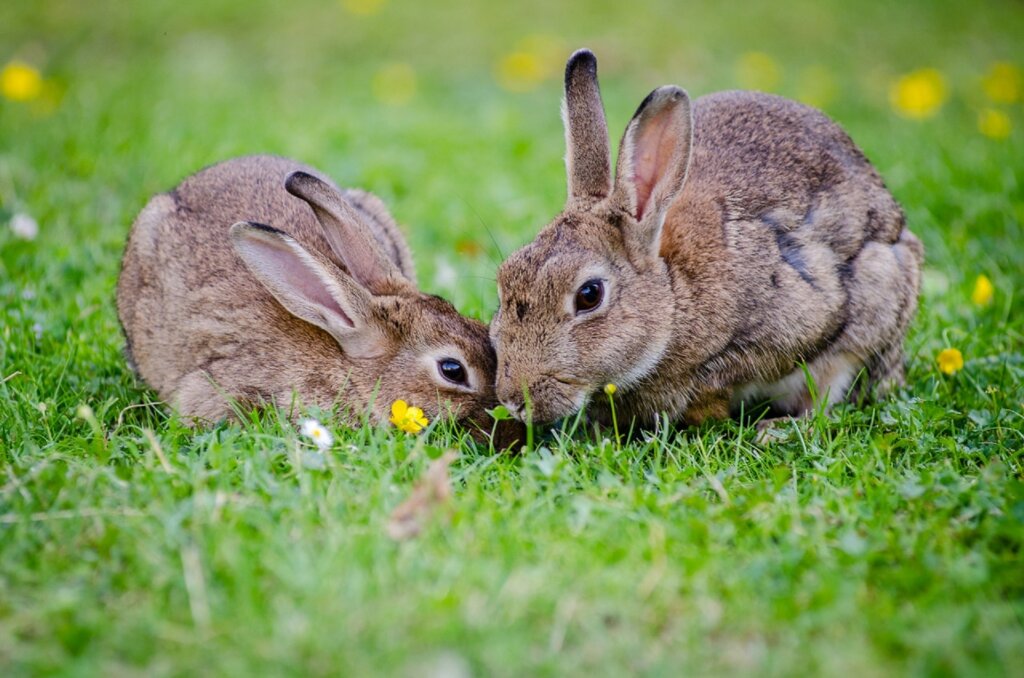
Rabbits. Photo by Pixabay
The report of a gun startled William Nabbs Jnr as he made his way through a wire fence near the Mangapiko School on a late afternoon in August 1884.
He was out rabbit shooting with Walter Gibson, 16, and his brother Charlie, 14. “What is that?” asked William at the noise. Walter cried “My brother is shot!” William turned round and saw Charlie lying in the ditch with a wounded leg. “Who shot Charlie?” asked the incredulous William. “I did,” said Walter. He was just putting down his double barrel gun’s hammer when he pulled the wrong trigger. The charge went off hitting Charlie as he jumped the ditch. William got a strap from Walter, and bound up Charlie’s leg above the knee to stop the bleeding and went for the boy’s father, while Walter remained with his brother.
The Gibson brothers’ parents, John and Hannah, had come to New Zealand in 1852 on the ship Joseph Fletcher. Their first child was born and died at sea. They settled at Mangere, Auckland, and over the next 20 years had nine children. In March 1872 the family made the long trek from Mangere to a new life in Mangapiko, those who could walking alongside a creaking horse drawn dray piled high with their possessions. They took two cows with them, which were milked along the way. Progress was slow, particularly because Hannah was nursing a baby only three weeks old. Charlie was three and Walter five, their siblings ages ranged from 18 down to the baby.
Once at Hamilton, they crossed the Waikato River by barge and on arriving at Mangapiko the family all pitched in to construct a house, which was made mostly of raupo with a clay floor. They lived in this unpretentious house for several years until circumstances allowed them to build a new, more comfortable, home.
The Gibsons were respected pioneer settlers, John being considered a fine specimen of the old school. But now he rushed to the paddock where his injured son lay and carried home to his bed.
When Dr Blunden arrived, he found that Charlie’s thigh bone was broken and an artery damaged. He set the leg in splints, but, recognising the case’s gravity, sent for doctors Waddington and Cushny. Dr Cushny came at 11am the next day and made an examination of Charlie’s leg, finding the fracture severe. After consultation, the doctors decided that the best chance for Charlie’s life was immediate amputation. Charlie was chloroformed and the procedure carried out about 1pm. Charlie recovered from the chloroform, but began suffering from shock. Dr Blunden left him then, returning about 8pm, but about half an hour prior to his arrival Charlie had died.
At the inquest the doctors said the cause of death was the shock to the system. They believed death would have taken place from infection if amputation had not taken place. They were in an awful position trying to make an impossible decision. The jury returned a verdict of accidental death.
In a terrible twist Charlie’s older sister Louisa (Fanny) would go on to marry Richard Bosanko and become the mother of Harry Bosanko who would be accidentally killed by a bullet from a pea rifle in 1906 when he was aged 11.
Both boys were buried at St John’s Anglican cemetery.