


It’s Long-Term Plan time again at Waikato Regional Council. The LTP review happens every three years, falling within the second year of the council term. It sounds boring, but it’s an important planning document, which impacts us all.
It forecasts council’s budgets for the coming 10 years, with in-depth focus on the first three. The Annual Plan, reviewed every 12 months, is based on the LTP, with some small room for variance.

Clyde Graf
As is always the case with bureaucracies, budgets increase, year on year. The Waikato Regional Council’s rates are forecast to increase from $130 million to $178 million by 2034. That money is collected from all ratepayers via various mechanisms and rating models – mostly through General Rates and Targeted Rates – with the intention of limiting annual increases to 10 per cent. Fingers and toes crossed on that one.
There are several issues council is focusing on in this LTP and councillors hope to receive feedback from the public, including from you.
The council is planning to streamline the rating of public transport, effectively removing the requirement of local councils to collect the funds on regional council’s behalf. This shift in the rates collection is offset by the cessation of public transport rates collected by your district or city council.
Another planned change is the disestablishment of the Regional Development Fund, which was created during the 2015-2025 Long Term Plan, to provide funding to regionally significant projects.
The funding of Te Waka, a regional development agency, has been another contentious issue. In a controversial decision, determined again behind closed doors and avoiding the scrutiny of the public eye, Council voted (8-6) for continuing the funding of Te Waka, at a sum of $750,000 a year, for the next 3 years. The funding will come from remaining money within the Regional Development Fund, instead of being returned to ratepayers.

Te Huia
Other areas of focus are the Te Huia train service, and a change to the permitted activity monitoring rating model. The heavily subsidised Te Huia service is supposed to operate as a trial until 2026. A decision on central government funding is expected soon. If government doesn’t back it, should you?
An increase in the Natural Heritage rate is the third main issue to be considered. The most recent State of the Environment Report identified many gaps in biodiversity management. Council is considering options to increasing the rate of $5.80 per property to either $8.68 or $15, with the latter effectively increasing the fund by an additional $1.403 million.
So, it’s your feedback we’re keen to hear and need to hear. Are the proposed increases reasonable or way out of line? Is it a small price to pay for better focus on biodiversity, or will it mean money down the drain? Should regional development money be returned to ratepayers, or given to Te Waka?
There are LTP community engagement opportunities in March and April.
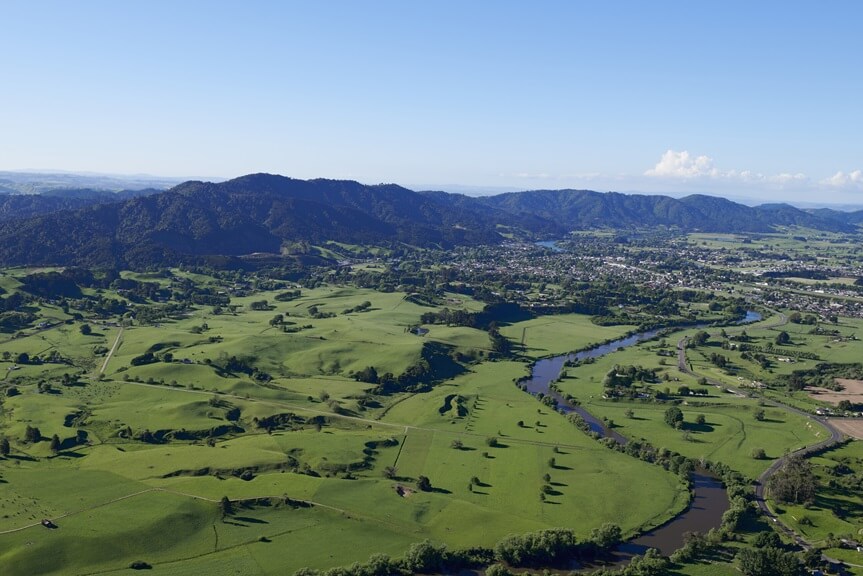
Hakarimata Ranges