

Weather warnings can be like Tacos.
Living in the United States, a country that has a hurricane, and a tornado, and a winter storm season, I experienced my fair share of weather watches and warnings. Even with those frequent reminders there can still be confusion about what they mean and what actions to take.
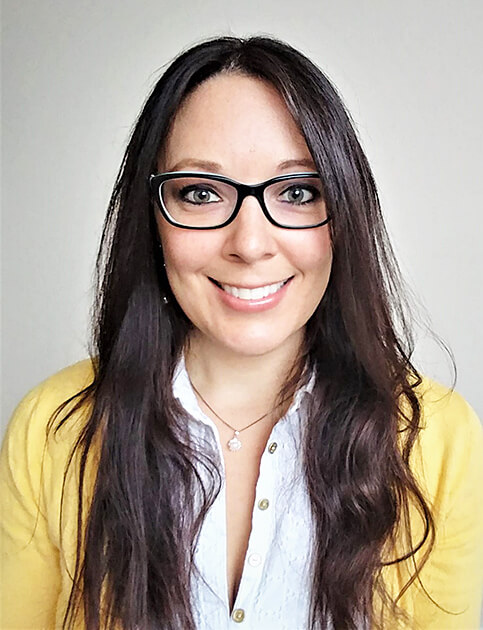
Janine Krippner
Recently the Taupō Civil Defence team shared a tasty analogy. If weather was tacos, a taco watch means we have all the ingredients to make tacos out on the bench ready to go. A taco warning means we are having tacos right now!
A weather watch means stay alert and watch out for local updates. Severe weather is possible because the right conditions are there, but there is still uncertainty involved. We have two warning levels here, orange and red. An orange warning indicates that people need to be prepared and take the appropriate action (given by MetService and our local Civil Defence groups) for severe weather – weather that has the potential to cause disruption or harm. This includes heavy rain, strong wind, thunderstorms, or heavy snow. A red warning means take immediate action now, follow the advice of official and emergency agencies. We are having tacos, folks!
In the United States I saw plenty of stories of people not following weather event advice. A common one is “turn around, don’t drown”, referring to not driving through flooded streets. Too often images were shared of cars and their occupants submerged in water that was hiding a large sinkhole, or within water much deeper than it looked. Cars are certainly heavy for us, but they can float in water and be carried away. Cars can be death traps in floodwater.
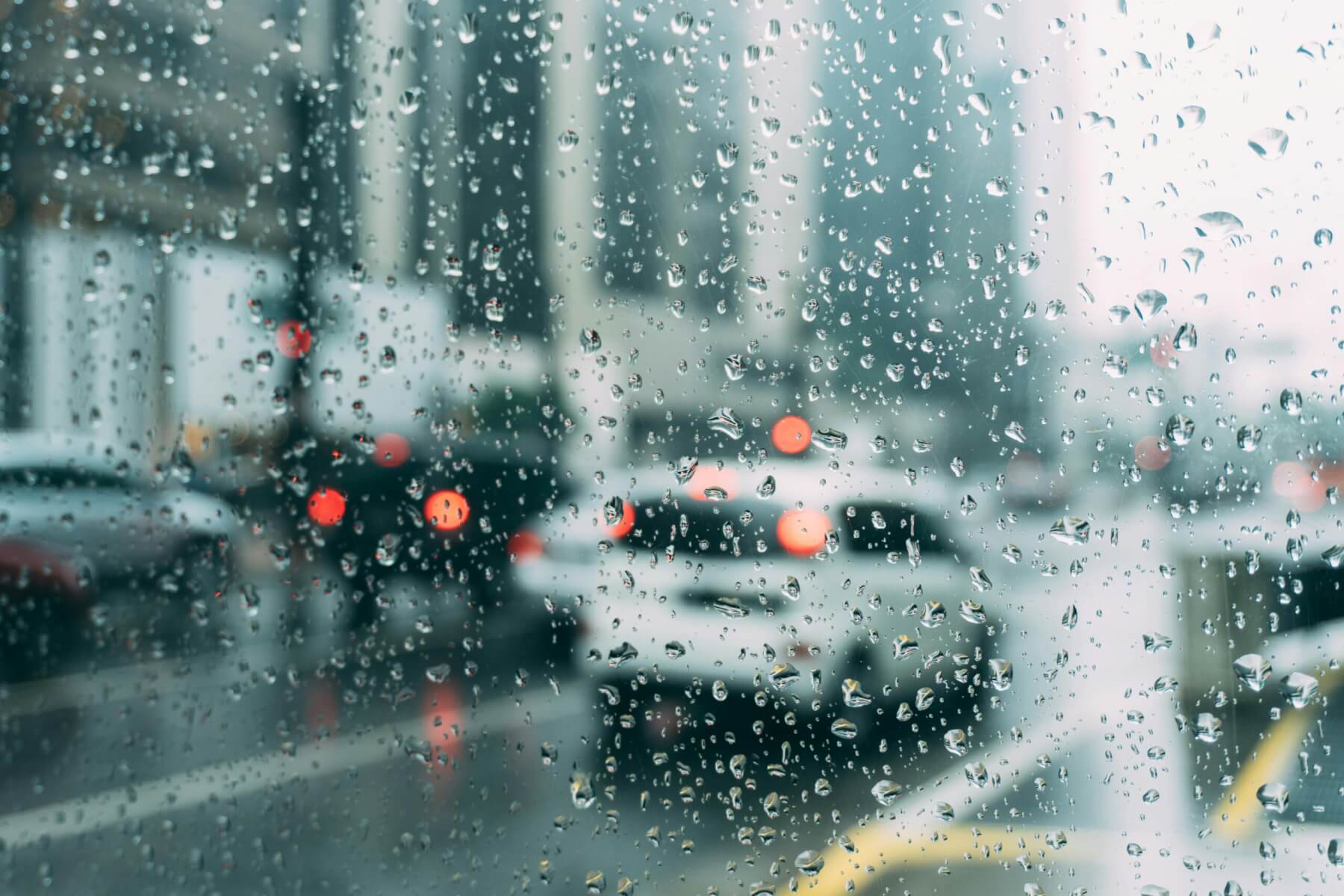
Photo: Kaique Rocha. www.pexels.com
Another scary issue is how quickly severe weather like thunderstorms and tornadoes can develop right out of conditions that look perfectly charming. According to NIWA, we have about 7-10 moderate to strong tornado events in New Zealand each year. They might not be as destructive as the mile or so wide tornadoes in the American tornado alley, but any tornado can make simple objects deadly projectiles.
Last year many Kiwis got a first-hand experience with how traumatic and dangerous a cyclone can be. We call these huge storms cyclones when they form in this part of the world, typhoons in the northwest Pacific, and hurricanes over the North Atlantic or North Pacific. As we saw, the winds are certainly dangerous but it’s the water that can also bring deadly force, bringing down our landscape in landslides and flooding large areas.
Agencies work hard to help us avoid loss of life when weather conditions hint that we could see destructive events. Like volcanoes, meteorologists are monitoring constantly evolving systems and there are uncertainties involved. Uncertainty comes from the weather itself changing as we get closer to an event, limitations in technology and weather models, or judgement call that need to be made. Even with these factors we know that warnings save lives. Just like having taco ingredients in the kitchen, versus tacos on the plate ready to go, it is up to us to take the appropriate steps towards the best outcome for ourselves and those around us.